

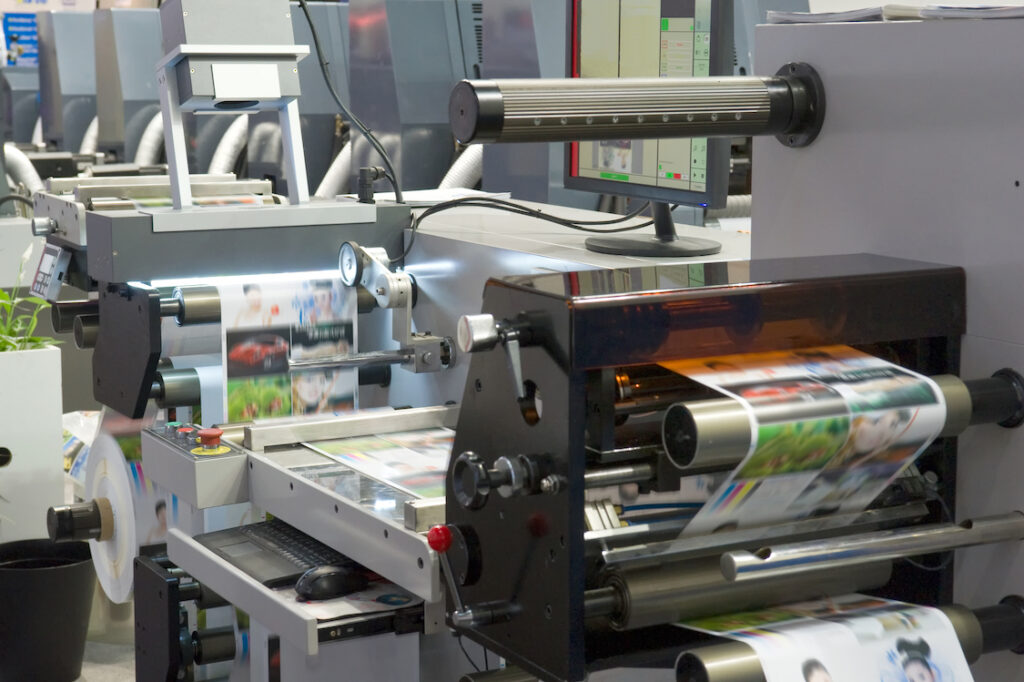
 Traditional book manufacturing, referring to the conventional process of printing and producing physical books, offers several benefits that continue to appeal to readers and collectors alike. Despite the rise of digital publishing, the unique advantages of printed books contribute to their enduring popularity. One significant advantage is the sensory engagement they provide; the tactile experience of flipping through pages, underlining passages, and feeling the weight of a physical book in their hands enhances the reading experience by fostering a deeper connection with the content. This engagement is further complemented by the personalized aspects of printed books, such as customizable cover designs, paper types, and fonts, which cater to specific preferences and audiences, thereby enriching the overall appeal and uniqueness of the reading experience. Learn more about the benefits of traditional book manufacturing by reading more below.
Quality and Feel
Traditional printing methods often result in high-quality books with crisp text and vibrant illustrations. The physical feel of a well-printed book can enhance the reading experience compared to digital formats, providing a sense of craftsmanship and attention to detail.
Durability
Printed books are typically durable and can last for decades if properly cared for. They are resistant to technological obsolescence and do not require batteries or electronic devices to access, making them a reliable long-term investment.
Tactile Experience
Many readers enjoy the tactile experience of flipping through pages, underlining passages, and feeling the weight of a physical book in their hands. This sensory engagement can contribute to a deeper connection with the content, offering a more immersive reading experience.
Collector’s Value
Printed books, especially limited editions, signed copies, or those with unique bindings, can have collector’s value. This aspect appeals to bibliophiles and collectors who appreciate physical books as artifacts, adding a sense of rarity and exclusivity to their collections.
Accessibility
While digital books are convenient for instant access and portability, physical books do not require electronic devices or internet connectivity. They can be read anywhere, anytime, making them accessible in various environments and situations without the need for technology.
Personalization
Printed books can be customized with different cover designs, paper types, and fonts, offering publishers and authors a way to tailor the physical presentation of their work to specific audiences or preferences. This level of personalization can enhance the book’s appeal and uniqueness.
Support for Local Economies
Traditional book manufacturing supports local printing and binding industries, contributing to local economies and providing jobs in printing presses, bookstores, and related sectors. This economic impact helps sustain communities and promotes local business growth.
Environmental Considerations
While digital books have lower environmental impact in terms of paper usage, traditional printing methods are becoming more sustainable with advancements in eco-friendly inks, paper sourcing, and recycling practices. These efforts help mitigate the environmental footprint of printed books.
Cultural and Historical Significance
Printed books are an integral part of cultural heritage and historical record-keeping. They contribute to the preservation and dissemination of knowledge across generations, maintaining a tangible connection to the past and a legacy for the future.
Despite the rise of digital publishing, traditional book manufacturing continues to thrive due to these unique advantages that appeal to various aspects of reading preference, collector culture, and cultural heritage preservation. The timeless appeal of printed books ensures their place in the world of literature and beyond.