

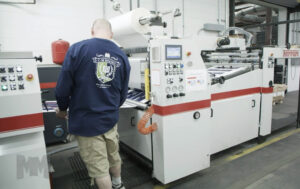
 Short-run book printing has become a practical and efficient solution for publishers and authors alike. It allows for smaller quantities to be printed without the high upfront costs associated with traditional offset printing. This method is especially useful for testing new titles or maintaining backlist availability. Understanding how to optimize short-run printing can help reduce expenses, streamline inventory management, and accelerate time to market.
What is Short-Run Printing
Short-run printing refers to the production of a limited number of books, often fewer than 1,000 copies per order. This printing method is typically powered by digital technology, which allows for quick setup and fast turnaround times. It eliminates the need for large print runs and expensive storage facilities. As a result, publishers can print based on actual demand, reducing the risk of unsold inventory. This flexibility makes it ideal for independent publishers, academic texts, and niche markets.
Cost Savings and Efficiency
One of the primary advantages of short-run printing is its cost-effectiveness. While per-unit costs may be slightly higher than offset printing, there are no significant setup costs or bulk inventory expenses. This allows publishers to allocate their budgets more strategically. It also reduces the risk of financial loss from unsold books, which often happens with large print runs. Additionally, it minimizes waste, which is an added benefit for environmentally conscious organizations.
Faster Time to Market
Speed is another important benefit of short-run book printing. Because the process requires less setup and preparation, books can be printed and delivered in a much shorter timeframe. This is especially useful for time-sensitive publications or rapidly changing content. Authors and publishers can respond more quickly to market demands or industry trends. In many cases, books can be printed and shipped within a week, significantly faster than traditional methods.
Flexible Inventory Management
Short-run printing simplifies inventory management by allowing publishers to print in response to actual sales data. This just-in-time approach helps avoid overproduction and the associated costs of warehousing. It also enables better cash flow management, as funds aren’t tied up in unsold stock. If a book is revised or updated, there’s less concern about discarding large quantities of outdated material. The result is a more agile and responsive publishing operation.
Ideal for Niche and Custom Titles
For publishers catering to niche markets or offering customized content, short-run printing is particularly effective. Small print quantities support targeted distribution and reduce the financial risk of specialized projects. It also allows for greater experimentation with new topics or formats. Academic publishers, self-published authors, and organizations producing manuals or training guides can all benefit from this approach. The ability to test the market without a major investment makes it a valuable tool for innovation.
Short-run book printing offers a smart solution for publishers looking to reduce costs, manage inventory more efficiently, and speed up their production timelines. By leveraging this method, companies can better meet the demands of today’s fast-paced publishing landscape. With thoughtful planning and the right print partner, short-run printing can provide long-term benefits. It’s a flexible strategy well-suited to modern publishing needs.